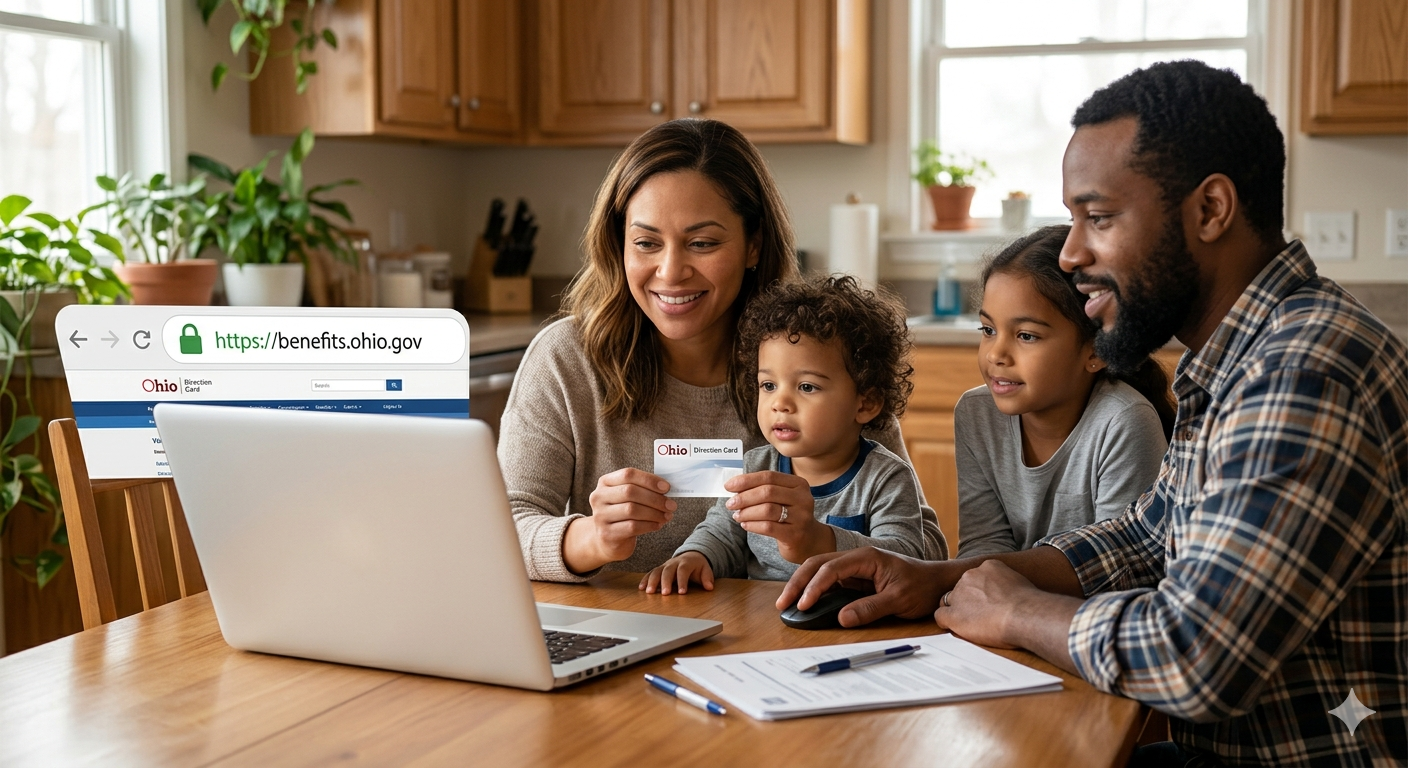
The journey of single motherhood is often characterized by unique challenges and enduring resilience. Single mothers frequently face numerous obstacles, including financial strain, work-life balance dilemmas, and the emotional complexities of parenting alone. As they navigate the responsibilities of raising children, managing households, and sustaining employment, the need for support becomes paramount. Financial assistance and social services play an essential role in alleviating the burdens faced by single mothers.
Recognizing the difficulties encountered by single mothers, various assistance programs and resources are available to provide crucial support. Single mom benefits encompass a wide range of programs designed to help ease financial pressures. These benefits can include childcare assistance, housing support, food assistance, and education grants, can make a significant impact on a family’s quality of life. The overarching goal is to enhance the stability and well-being of single-parent families, ensuring that children have access to necessary resources and opportunities.
The importance of single mom benefits cannot be overstated, as they offer a vital lifeline for those striving to create better futures for themselves and their children. By facilitating access to essential services, these benefits help single mothers build a more secure and sustainable lifestyle. Through government initiatives, nonprofit organizations, and community resources, single mothers can find opportunities that help mitigate some of the difficulties they confront. Ultimately, the objective of these programs is to empower single mothers, equipping them with the tools and resources they need to thrive.
Types of Benefits Available for Single Moms in 2026
As the landscape of support for single mothers continues to evolve, various benefits are available in 2026 to assist those navigating the challenges of parenthood alone. These benefits include financial aid, housing assistance, childcare support, healthcare programs, and education grants, each designed to provide essential support and ease the burden faced by single mothers.
Financial aid programs are crucial for single moms, helping to alleviate economic stress. These may include cash assistance programs such as Temporary Assistance for Needy Families (TANF) which provides temporary financial support to low-income families. Furthermore, food assistance programs like the Supplemental Nutrition Assistance Program (SNAP) can help single mothers afford nutritious meals for themselves and their children, thereby promoting overall wellbeing.
Housing assistance programs also play a pivotal role. Initiatives like the Housing Choice Voucher Program enable eligible single mothers to rent affordable housing in the private market, thus ensuring stable and safe living conditions. This in turn fosters a better environment for children to grow and thrive.
Childcare support is another significant benefit for single moms, offering various forms of help, such as subsidized childcare programs and tax credits. These resources reduce the financial strain of childcare costs, allowing mothers to pursue employment or education without compromising their children’s care and safety.
Healthcare programs, including Medicaid and the Children’s Health Insurance Program (CHIP), deliver critical healthcare services to single mothers and their children. These initiatives ensure access to medical care, preventive services, and mental health support, which are essential for maintaining family health.
Lastly, education grants provide single moms with opportunities to further their education and improve their job prospects. Programs such as Pell Grants and the Federal Work-Study Program offer financial support to pursue higher education while balancing the demands of single motherhood. By investing in education, single mothers can enhance their skills and increase their earning potential, ultimately providing a better quality of life for themselves and their children.
Eligibility Criteria for Single Mom Benefits
Qualifying for single mom benefits requires understanding various eligibility criteria that vary across different programs. Primarily, income level plays a crucial role; many assistance programs have specific income thresholds. Generally, the total household income must fall below a designated percentage of the federal poverty level. This benchmark ensures that benefits are targeted towards those most in need, thus assisting single mothers in enhancing their financial stability.
Residency status is another vital factor when determining eligibility. Most programs are available only to U.S. citizens or legal residents. Verification of residency often requires documentation, such as utility bills or lease agreements, which can establish a single mother’s primary address. Additionally, some programs may have specific residency requirements based on the state or locality, making it essential for applicants to confirm the guidelines that apply in their specific area.
The number of dependents also influences eligibility for various benefits. Programs such as food assistance and childcare subsidies generally provide increased support for households with more children. Consequently, single mothers with multiple dependents may receive higher benefits than those with only one child. This approach acknowledges the additional financial burdens that accompany larger families and aims to alleviate some of those pressures.
Finally, employment status impacts eligibility for certain benefits. Many programs promote self-sufficiency and require beneficiaries to either hold a job or actively seek employment. However, programs like Temporary Assistance for Needy Families (TANF) might provide support even to those who are unemployed, contingent upon their commitment to participating in job training or employment programs. Understanding these various eligibility criteria is instrumental for single mothers as they navigate the complex landscape of available assistance programs.
How to Apply for Single Mom Benefits
Applying for single mom benefits can seem daunting, but with the right information and preparation, the process can be navigated successfully. The first step is to identify the specific benefits for which you may qualify. Common assistance programs include Temporary Assistance for Needy Families (TANF), Supplemental Nutrition Assistance Program (SNAP), and Child Care Subsidy programs.
To initiate an application, visit the official website of your state’s department of social services or equivalent agency. It is essential to understand the eligibility criteria for each program. In many cases, single mothers are required to provide documentation such as proof of income, household size, residency, and any custody arrangements regarding their children. Each program may have its unique documentation requirements, thus thorough preparation is crucial.
Once you have gathered the necessary documentation, locate and complete the appropriate application forms. These forms can usually be filled out online or downloaded and submitted via mail. While filling out the application, ensure all information is accurate and complete to avoid delays. Include any additional supporting documents that may strengthen your application, such as educational certificates or evidence of job search efforts if applicable.
After submitting the application, keep a record of your submission dates and any confirmation you receive from the agency. Many states provide a tracking system to help you monitor the progress of your application. It is also advisable to follow up with the agency after a few weeks to check the status of your application.
Lastly, many applicants find it beneficial to reach out to local community resources or non-profit organizations that specialize in assistance for single mothers. These organizations can offer guidance through the application process and help to identify additional benefits for which you may be eligible. By preparing and utilizing available resources, you can enhance your likelihood of a successful application for single mom benefits.
State-Specific Programs for Single Mothers
The support framework for single mothers across the United States varies significantly from state to state, reflecting diverse geographical needs and governmental priorities. Numerous programs exist, providing single mothers with essential resources such as financial aid, housing assistance, healthcare support, and educational grants.
For instance, in California, the CalWORKs program offers cash aid and services to eligible families with children. This program not only provides financial assistance but also connects single mothers with job training and employment services, which is crucial for fostering economic independence. Furthermore, the California Work Opportunity and Responsibility to Kids (CalWORKs) program is designed to support low-income families, ensuring that single mothers can receive comprehensive assistance.
In Texas, the Temporary Assistance for Needy Families (TANF) program can provide crucial financial support for low-income families. In addition to direct financial aid, TANF assists with necessary services such as childcare support and job placement assistance aimed at empowering single mothers to achieve self-sufficiency.
Moving to New York, the Home Energy Assistance Program (HEAP) significantly helps single mothers by providing energy assistance to offset the costs of heating and cooling their homes. Such programs are vital in helping single mothers maintain a stable living environment, which is essential for both their well-being and that of their children.
These examples illustrate just a few of the state-specific programs available for single mothers. It is essential for single mothers to thoroughly research and connect with local authorities and community organizations to take full advantage of the tailored programs that best meet their unique circumstances. Access to state-specific assistance reflects an understanding of the varied challenges faced by single mothers, paving the way for their overall well-being and growth.
The Role of Nonprofits and Community Organizations
Single mothers often navigate a challenging landscape while striving to provide for their families. Beyond government assistance programs, numerous nonprofit organizations and community groups offer vital resources and support that significantly enhance the wellbeing of single mothers and their children. These organizations often focus on various aspects, including financial aid, educational programs, legal assistance, and emotional support.
Nonprofits dedicated to supporting single mothers typically provide a plethora of services tailored to meet their unique needs. Many of these organizations offer workshops and training programs designed to improve job skills, thereby increasing employment opportunities for single mothers. Additionally, they may provide access to childcare resources, making it easier for these women to pursue education or employment opportunities without the constant worry of ensuring childcare.
Community organizations also play a pivotal role in connecting single mothers with essential services, from food banks to health clinics. Many nonprofits have established partnerships with local businesses and other community resources to create a support network that single mothers can rely on. These connections often serve not only to alleviate immediate financial pressures but also foster a sense of community and belonging, which can be immensely beneficial for single mothers and their children.
Furthermore, some organizations advocate for policy changes and social justice initiatives to address the systemic challenges facing single mothers. By raising awareness and promoting discussions regarding the needs of single-parent families, these nonprofits work to create a better environment for single mothers on a more extensive and influential scale.
In summary, nonprofit organizations and community groups significantly impact the lives of single mothers by providing support beyond government benefits, helping pave the way for greater opportunities and a more stable future.
Impact of Single Mom Benefits on Family Well-Being
Single mothers often navigate a myriad of challenges while raising their children independently. Among these hurdles, financial constraints frequently emerge as a significant concern. Consequently, government benefits aimed at single mothers play an essential role in enhancing the overall well-being of families in this demographic. Various studies indicate that targeted financial assistance can positively affect the quality of life for single mothers and their children.
Research from the U.S. Department of Health and Human Services reveals that single mother families receiving federal benefits exhibit improved household stability. These benefits, including housing assistance, child care subsidies, and cash transfers, effectively reduce material hardships. For instance, a 2019 report indicated that families receiving such support experienced a 30% decrease in food insecurity, revealing a notable enhancement in nutritional quality at home, which is crucial for children’s development.
Moreover, financial assistance can also facilitate educational opportunities for children. According to the National Women’s Law Center, single mothers who utilize benefits are more likely to enroll their children in quality early childhood education programs, thus laying a strong foundation for academic success. This investment in education is reflected in improved performance metrics, with students from supported families showing higher scores in standardized tests compared to their peers from similar socio-economic backgrounds.
Additionally, single mom benefits often alleviate the stress associated with financial instability. A study conducted by the American Psychological Association highlights that financial support correlates with better mental health outcomes for mothers, leading to a more nurturing environment for children. The relationship between mother’s well-being and child development is well-established; thus, financial support can create a virtuous cycle that benefits the entire family.
Single mothers face various challenges when seeking to access benefits, which can hinder their ability to provide for their families. One of the primary issues is the stigma associated with receiving assistance. Many single mothers may feel judged or belittled by society for relying on government aid, which can discourage them from seeking the help they need. This social stigma can lead to feelings of isolation and inadequacy, preventing them from utilizing available resources effectively.
Bureaucratic hurdles present another significant challenge. The process for applying for benefits can often be cumbersome and time-consuming, with extensive paperwork and eligibility criteria that can confuse even the most determined applicants. Single mothers must navigate various forms, appointments, and often lengthy waiting periods to receive assistance. This complexity can deter many from completing the process or even initiating it in the first place, leading to further financial hardship.
Additionally, a lack of awareness about available resources can compound these issues. Not all single mothers are informed about the full range of benefits they are entitled to, whether it be financial aid, childcare support, or health assistance. Awareness campaigns and community outreach initiatives play a crucial role in educating single mothers about their benefits, yet many still remain uninformed about the support available to them.
To overcome these barriers, several potential solutions could be implemented. Increasing public awareness through targeted campaigns can help demystify benefits and reduce stigma. Simplifying the application processes by streamlining paperwork and providing direct assistance through community organizations could also make a significant difference. Creating supportive networks or forums for single mothers to share their experiences and solutions could further empower them to seek the benefits they qualify for.
Conclusion and Resources for Single Moms
Single mother benefits play a crucial role in supporting the well-being of families across the nation. These benefits help mitigate the challenges single mothers face, providing financial support, access to essential healthcare, and educational opportunities, which aid in stabilizing their living conditions and improving the quality of life for both themselves and their children. It is imperative for single mothers to understand the variety of programs available designed to assist them, ranging from government assistance like Temporary Assistance for Needy Families (TANF) to community-based resources.
Not only do these benefits serve as financial lifelines, but they also foster a sense of community and empowerment among single mothers. By accessing the proper resources, single moms can gain valuable skills, find employment opportunities, and ensure a brighter future for their children. Therefore, it is encouraged for single mothers to thoroughly explore the assistance options available to them, whether through state programs or local organizations dedicated to supporting single-parent families.
To aid in this pursuit, below is a list of helpful resources that single mothers can access:
Local nonprofit organizations – Many local charities and nonprofits provide resources specific to single mothers, including counseling and legal aid.
In concluding, it is vital for single moms to leverage these benefits and resources to enhance their challenges’ management and navigate the complexities of single parenting. By doing so, they can empower themselves and their families towards a more stable future.