The Supplemental Nutrition Assistance Program (SNAP), formerly known as food stamps, is a federally funded initiative designed to provide essential food assistance to low-income individuals and families across the United States, including in Iowa. This program aims to alleviate hunger and enhance the nutrition of eligible participants by helping them afford a healthier diet.
Originally established as part of the Food Stamp Act of 1964, SNAP has evolved over the decades, adapting to the changing economic landscape and the needs of American families. The program is invaluable in addressing food insecurity, which affects millions of people, particularly during economic downturns, personal hardships, or natural disasters. In Iowa, SNAP plays a critical role in supporting households that struggle to secure enough food, ensuring that families can maintain a minimum standard of living.
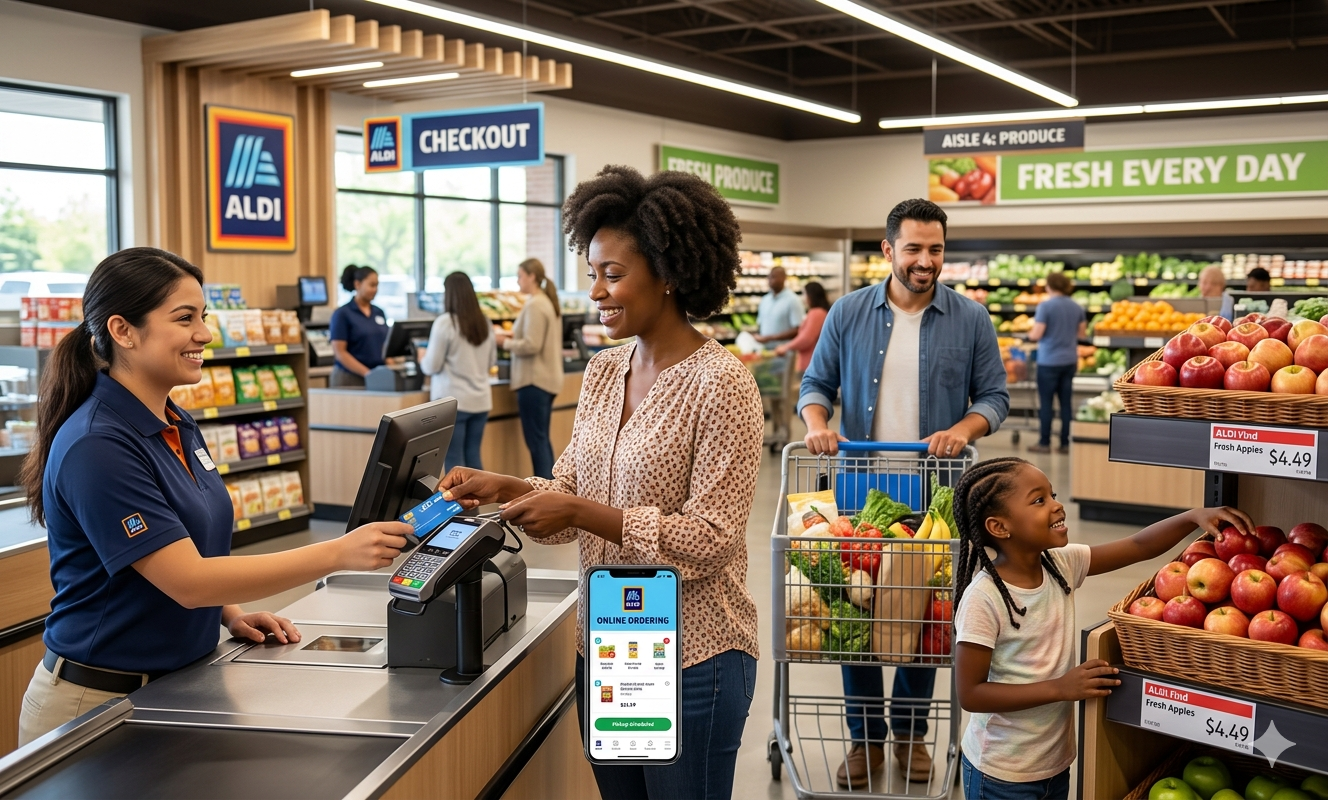
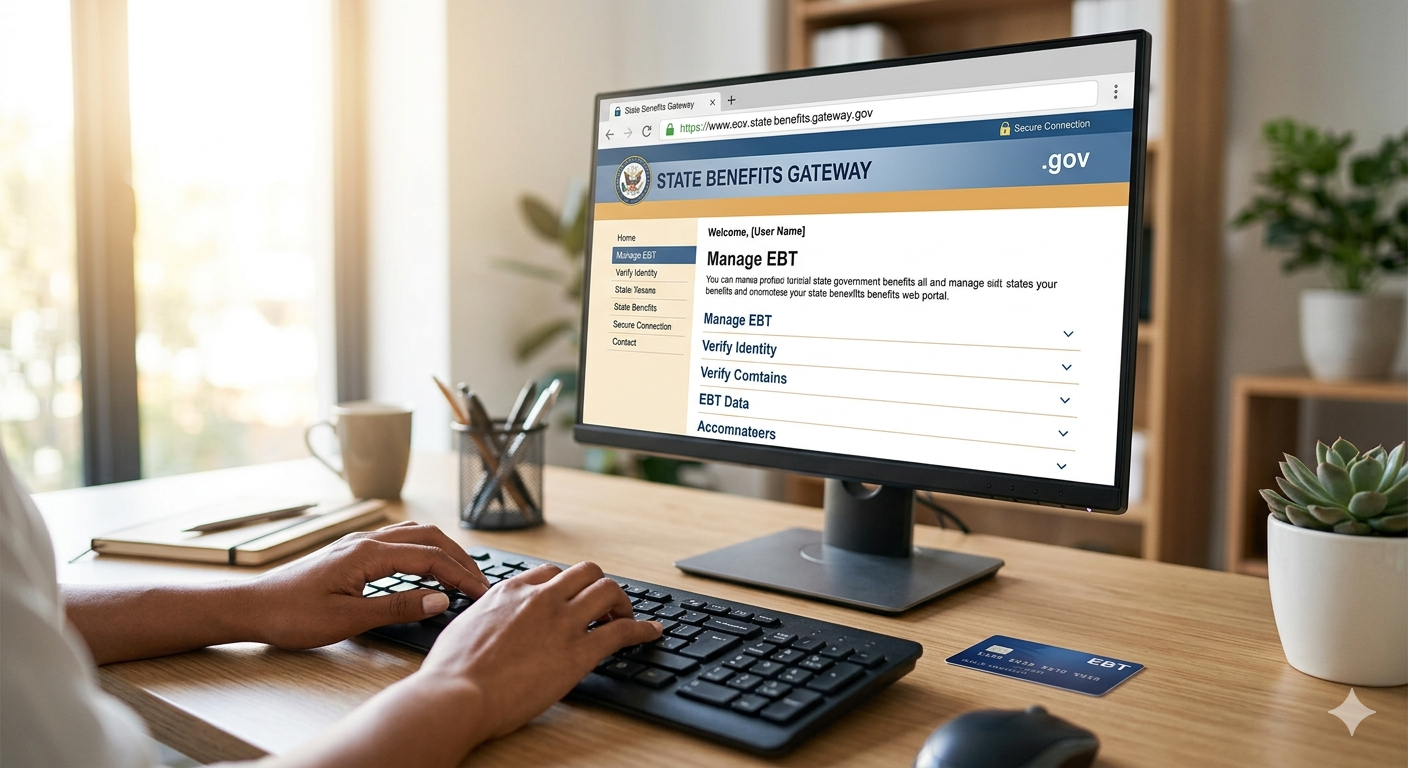
SNAP operates through a benefit system that provides funds on an electronic benefits transfer (EBT) card, which recipients can use to purchase eligible food items at authorized retailers. The program is administered at the state level, with federal guidelines dictating eligibility criteria and benefit levels. Given the rising costs of food and living expenses, SNAP’s importance cannot be overstated; it not only helps mitigate hunger but also stimulates local economies by increasing the purchasing power of low-income families.
In Iowa, the program is heavily utilized, reflecting both the state’s commitment to combating food insecurity and the necessity for many families to access these crucial resources. By reducing the burden of food costs, SNAP empowers individuals and families to allocate their limited financial resources toward other essential needs, such as housing, healthcare, and education, thereby fostering a more stable and healthier community.
Eligibility Requirements for SNAP in Iowa
The Supplemental Nutrition Assistance Program (SNAP) in Iowa is designed to provide food assistance to individuals and families in need. To qualify for this program, applicants must meet several eligibility criteria which encompass income limits, household size, and residency requirements.
Firstly, income limits play a critical role in determining eligibility. Iowa follows the federal guidelines which stipulate that household income must be at or below 130% of the federal poverty level. This includes both earned income (such as wages) and unearned income (like social security benefits). It is important for applicants to provide accurate income details to ensure proper assessment.
Household size is another significant factor in eligibility determination. A household is defined as everyone living together who purchases and prepares meals together. The size of the household directly influences the income limits and benefit amounts an applicant may receive. Iowa also evaluates the special circumstances of households, such as those comprised of elderly or disabled individuals, who may have different income thresholds and considerations.
Residency requirements are equally important in the application process. Applicants must be residents of Iowa and provide documentation that proves their residency status. This can include utility bills, leases, or other official documents. Additionally, those who are non-citizens must meet certain guidelines to be eligible, such as being a lawful permanent resident or having specific immigration statuses.
Finally, evaluating an applicant’s assets is a crucial aspect of the SNAP eligibility process. Although Iowa does not have strict asset limits, certain resources such as savings accounts, vehicles, and property may be considered during evaluation. Understanding these asset considerations can assist applicants in preparing their documentation accurately.
How to Apply for SNAP in Iowa
Applying for the Supplemental Nutrition Assistance Program (SNAP) in Iowa involves several steps designed to ensure that those in need receive assistance promptly. There are three primary methods available for residents to apply for SNAP: online, in-person, and by mail.
The most efficient way to apply for SNAP benefits is through the Iowa Department of Human Services (DHS) website. Applicants can navigate to the online application portal, which provides an easy-to-follow format that allows users to enter their information seamlessly. When applying online, ensure you have effective internet access and a valid email address, which will be needed for communication regarding your application status.
Individuals who prefer a face-to-face interaction can visit their local DHS office to apply for SNAP benefits in person. This option enables applicants to ask questions directly and receive immediate assistance from staff. To make the process smoother, it is advisable to schedule an appointment prior to your visit.
Alternatively, SNAP applications can also be sent by mail. To apply via this method, individuals can download and print the application form from the Iowa DHS website or request a physical copy from their local office. After completing the necessary information, the form should be mailed to the designated local DHS office for processing.
When applying for SNAP in Iowa, applicants must provide necessary documents, including proof of identity, income verification, and residency information. Being organized and having all required documentation ready can significantly expedite the approval process.
The timeline for receiving benefits will vary based on workload and individual circumstances, but generally, applications are processed within 30 days. Once approved, SNAP benefits are issued monthly, providing essential support for eligible households.
Benefits of SNAP and Additional Resources in Iowa
The Supplemental Nutrition Assistance Program (SNAP) in Iowa plays a crucial role in providing food security to low-income families and individuals. With the increasing cost of living and food prices, SNAP serves as an essential safety net. On average, SNAP benefits in Iowa provide approximately $300 per month to eligible households, depending on their income, family size, and expenses. This financial assistance aids beneficiaries in purchasing nutritious food, enhancing their overall well-being.
In addition to the direct benefits provided by SNAP, Iowa has a range of supplementary resources aimed at further supporting participants. Local food banks and pantries distribute nutritious food items to those in need, often working in conjunction with SNAP to alleviate food insecurity. These food banks, such as the Food Bank of Iowa, offer programs that extend beyond mere food distribution, providing clients with additional nutritional guidance and cooking resources.
Nutritional education programs also play a significant role in helping SNAP beneficiaries in Iowa make healthier food choices. These programs help participants understand the nutritional value of foods and how to prepare balanced meals on a limited budget. Initiatives like the Expanded Food and Nutrition Education Program (EFNEP) offer workshops and courses tailored to empower families to improve their dietary habits while maximizing their SNAP benefits.
Furthermore, employment services in Iowa work to connect SNAP participants with job opportunities, training programs, and job readiness workshops aimed at enhancing their employability. These services are designed to assist individuals in gaining skills that can lead to better job prospects, ultimately improving their economic situation. By integrating these resources, Iowa’s SNAP program not only addresses immediate food needs but also fosters long-term stability for its beneficiaries.