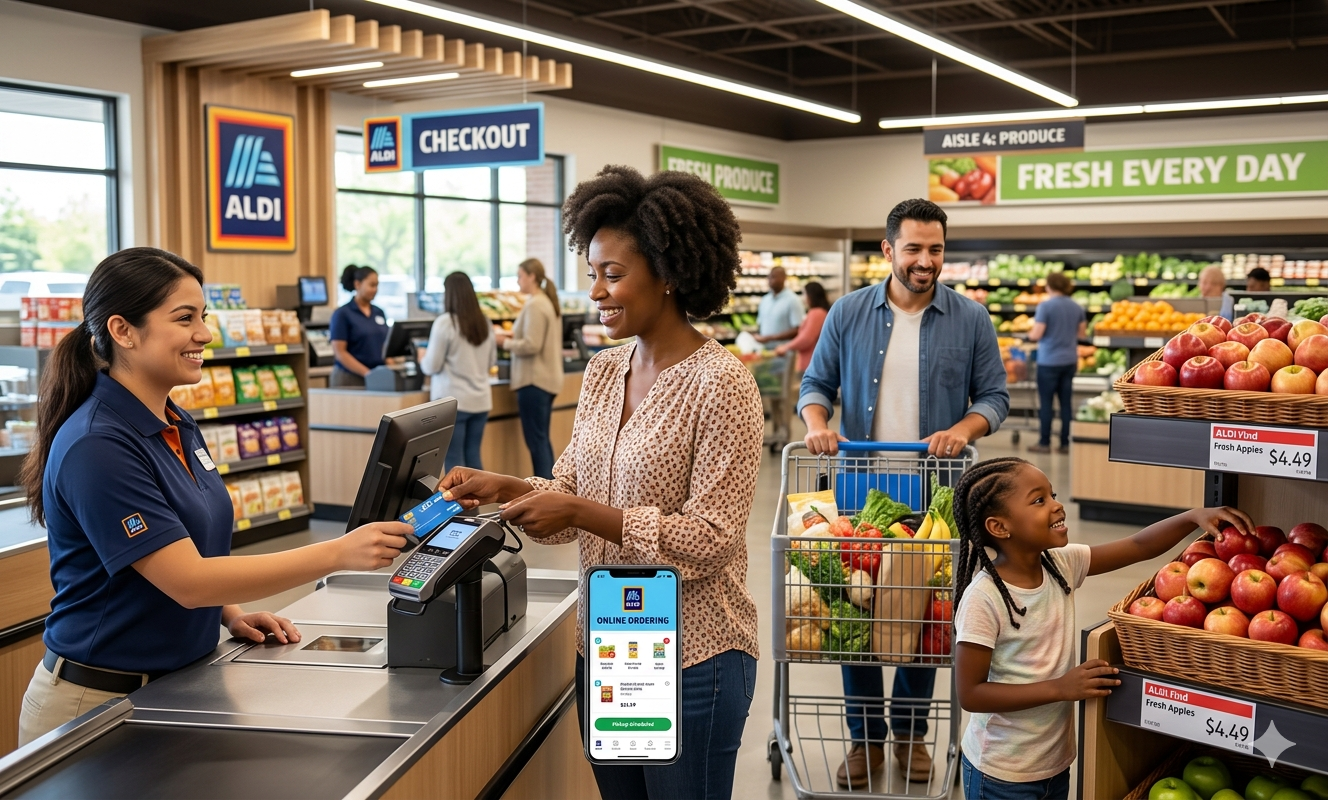
The Supplemental Nutrition Assistance Program (SNAP) is a federally funded initiative designed to provide essential nutritional support to low-income individuals and families across the United States, including West Virginia. The primary objective of SNAP is to alleviate hunger and improve food security among vulnerable populations. This program enables those eligible to receive benefits that can be used to purchase food items at authorized retailers, thus ensuring that they have access to a balanced diet.
Established in the 1960s, SNAP has evolved significantly over the years, adapting to the changing needs of society. Initially known as the Food Stamp Program, it was implemented as part of the War on Poverty initiatives and has since transitioned to its current form which emphasizes electronic benefits transfer (EBT) cards. These cards function similarly to debit cards, simplifying the purchasing process for recipients while reducing stigma associated with food assistance.
In West Virginia, SNAP serves as a vital resource for thousands of residents facing economic hardships. As of recent statistics, the program has become increasingly important due to economic challenges exacerbated by factors such as the COVID-19 pandemic. In order to qualify for SNAP benefits, applicants must meet specific eligibility requirements, including income thresholds based on household size, residency, and citizenship status. Additionally, individuals are expected to undergo an interview process to assess their need for assistance.
The significance of SNAP in West Virginia cannot be overstated. It offers crucial financial support that helps families obtain necessary nourishment, thereby contributing to overall health and well-being. Beyond its role in alleviating immediate hunger, SNAP also plays a broader economic role by stimulating local economies through increased consumer spending in grocery stores and food markets.
Eligibility and Application Process
The Supplemental Nutrition Assistance Program (SNAP) offers vital support for low-income families and individuals in West Virginia. Understanding eligibility requirements is essential for potential applicants. To qualify for SNAP benefits, individuals must meet specific income limits, which are determined based on household size and composition. Typically, the gross monthly income should not exceed 130% of the federal poverty level, though this threshold may vary depending on the size of the household. For example, a household of four may have a different limit set compared to a single-person household.
Additionally, it is important to note that certain populations may have special provisions. Disabled individuals, the elderly, and specific other groups may be eligible for deductions on their allowable expenses, which can increase their chances of qualifying. Furthermore, assets may also be taken into consideration, with regulations allowing stricter limits on resources for many applicants. Therefore, understanding the nuances of these guidelines is crucial.
The application process for SNAP in West Virginia involves several straightforward steps. First, potential candidates can apply online via the West Virginia Department of Health and Human Resources (DHHR) website, where they will need to create an account. Alternatively, applicants can visit local DHHR offices to fill out a paper application. Once the application is submitted, a caseworker will be assigned to verify the information, which includes income, household size, and residency status.
After submission, applicants may be required to attend an interview, either in-person or over the phone. It’s essential for applicants to have all relevant documentation ready for this interview, as it will expedite the process. In the event of any questions or issues, local offices are available to provide assistance, ensuring that individuals can navigate through the application with ease.
Benefits Offered and Distribution
The Supplemental Nutrition Assistance Program (SNAP) provides significant financial assistance to low-income households in West Virginia, helping them access nutritious food. The benefits allocated through SNAP vary according to household size, income levels, and specific expenses. For instance, the average monthly benefit is designed to meet the basic nutritional needs of participants, aiding them in maintaining a healthy diet.
Eligible households are assessed based on their income, and the SNAP benefits they receive are contingent on factors such as the number of members in the household. As of the latest updates, a household of four can receive up to $835 per month, although individual circumstances will affect the exact amount received. The benefits are intended to cover food costs, alleviating the financial pressure on families, and promoting better health outcomes by facilitating access to food resources.
Distribution of SNAP benefits occurs through the Electronic Benefit Transfer (EBT) system, which has modernized how recipients access their assistance. Each eligible household is issued an EBT card that functions similarly to a debit card. This card can be used at participating grocery stores and markets that accept SNAP payments, thus allowing recipients to purchase approved food items conveniently.
It is essential to note that while SNAP benefits can significantly aid in purchasing food, there are restrictions on what can be bought. Recipients are limited to purchasing eligible food items, such as fruits, vegetables, grains, dairy products, and meat. However, SNAP benefits cannot be used for non-food items like household supplies or cosmetics, nor can they be used to purchase prepared foods for immediate consumption. These regulations aim to ensure that assistance is directed towards improving dietary intake and overall nutrition among families in need.
Impact of SNAP in West Virginia
The Supplemental Nutrition Assistance Program (SNAP) plays a crucial role in supporting individuals and families facing food insecurity in West Virginia. As of recent statistics, approximately 387,000 West Virginians benefit from SNAP, representing a significant portion of the population. This includes a diverse demographic including children, the elderly, and individuals with disabilities, underscoring the program’s critical role in the community.
In terms of demographics, around 48% of SNAP participants in West Virginia are children under the age of 18, highlighting the program’s importance in combating childhood hunger. Furthermore, nearly 13% of recipients are elderly individuals, illustrating the program’s support for vulnerable seniors who might otherwise struggle to afford nutritious food. The benefits provided under SNAP are not limited to mere assistance; they facilitate access to healthier food options, which can lead to better overall health outcomes for beneficiaries.
Research indicates that SNAP not only alleviates hunger but also promotes long-term health by encouraging better nutritional choices among participants. Studies have shown that families enrolled in SNAP tend to consume more fruits, vegetables, and dairy products compared to those who are not enrolled. This emphasizes SNAP’s role in improving dietary quality and promoting healthier eating behaviors, which are crucial in combating chronic health conditions such as diabetes and obesity.
However, despite its positive effects, SNAP faces challenges in West Virginia. Limited funding, bureaucratic hurdles, and stigma associated with participation pose issues for many eligible individuals. With ongoing discussions regarding potential reforms and enhancements to the program, stakeholders are actively exploring ways to improve its efficacy, ensure food access for all, and address the evolving needs of the population in West Virginia. The future of SNAP will depend on continued advocacy and support for policies that prioritize food security and overall well-being for all residents.