The Supplemental Nutrition Assistance Program (SNAP) is a federal assistance initiative aimed at providing nutritional support to low-income families across the United States, including Louisiana. Established as part of the Food Stamp Act of 1964, SNAP has evolved over the decades to adapt to the changing needs of the population. Its primary goal is to alleviate food insecurity and ensure that eligible households have sufficient means to access nutritious food.
SNAP operates by providing benefits to eligible individuals and families in the form of electronic benefits transfer (EBT) cards, which can be used at authorized retailers to purchase food items. This program is designed to supplement the food budget of low-income households, enabling them to buy food that meets their dietary needs. By focusing on nutrition and helping families obtain healthy food options, SNAP plays a critical role in promoting better health outcomes within disadvantaged communities.
In Louisiana specifically, SNAP serves a significant portion of the population, reflecting the state’s challenges related to poverty and food access. The program not only aims to support families in meeting their immediate food needs but also contributes to broader efforts aimed at improving public health and reducing dependence on emergency food services. Many working families, elderly individuals, and children benefit from SNAP, showcasing its importance as a safety net in times of financial distress.
Overall, the Supplemental Nutrition Assistance Program functions as a vital resource for many Louisianans, providing essential nutrition assistance to combat hunger and promote the well-being of low-income households. Through its systematic approach, SNAP empowers families to make healthier food choices while working towards a more nutritionally secure future.
How Does SNAP Work in Louisiana?
The Supplemental Nutrition Assistance Program (SNAP) in Louisiana functions to provide food assistance to low-income individuals and families. To participate in SNAP, applicants must submit a formal application through the state’s Department of Children and Family Services (DCFS). This process can typically be initiated online, via telephone, or in person at local DCFS offices.
Eligibility for SNAP is determined by several criteria, including household income, family size, and specific expenses. Generally, households must have incomes at or below 130% of the federal poverty guidelines to qualify. Additionally, certain deductions are allowed for expenses such as housing costs, childcare, and medical expenses for elderly or disabled members in the household, which can help maximize eligibility.
Documentation is a critical part of the application process. Applicants are required to provide proof of identity, income, and expenses, as well as any other pertinent information that can support their case. Acceptable documents may include pay stubs, Social Security statements, and rental agreements.
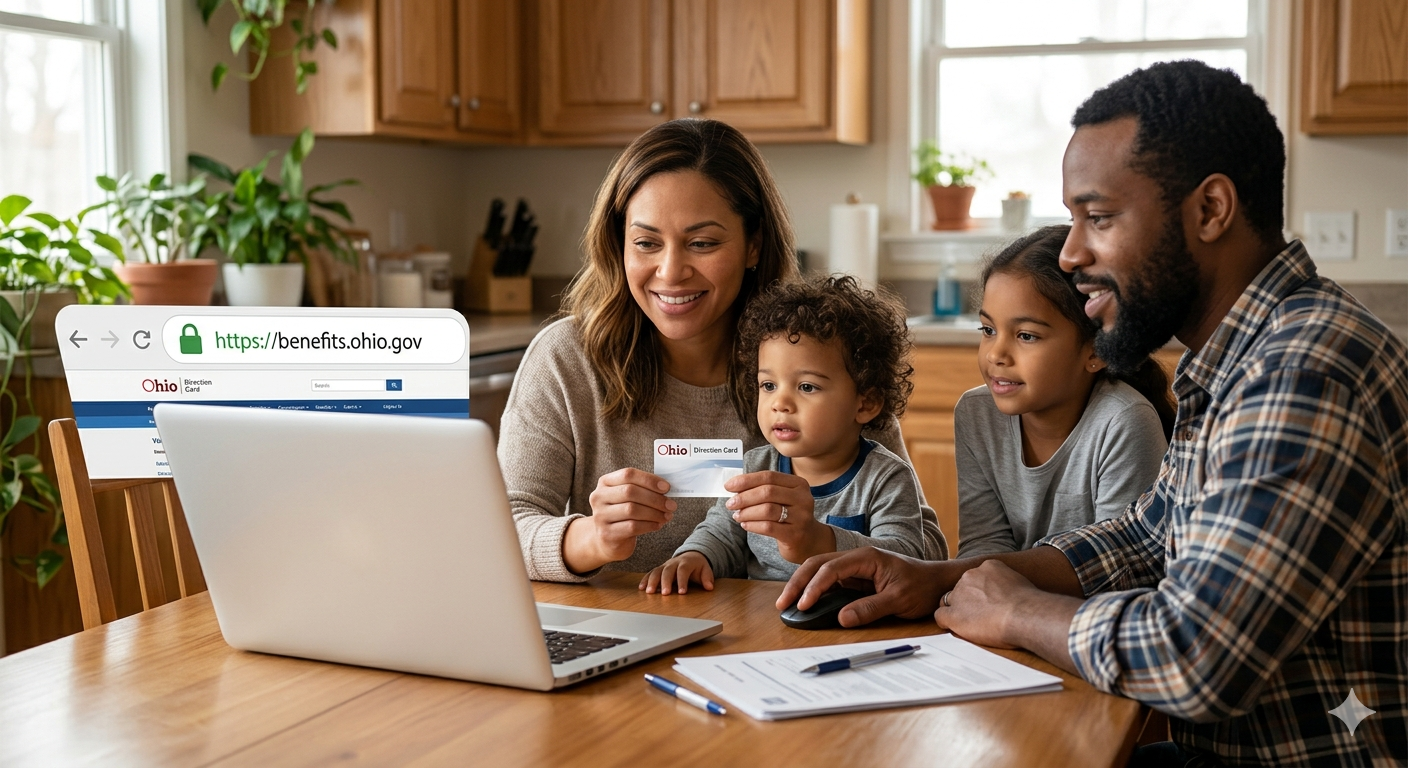
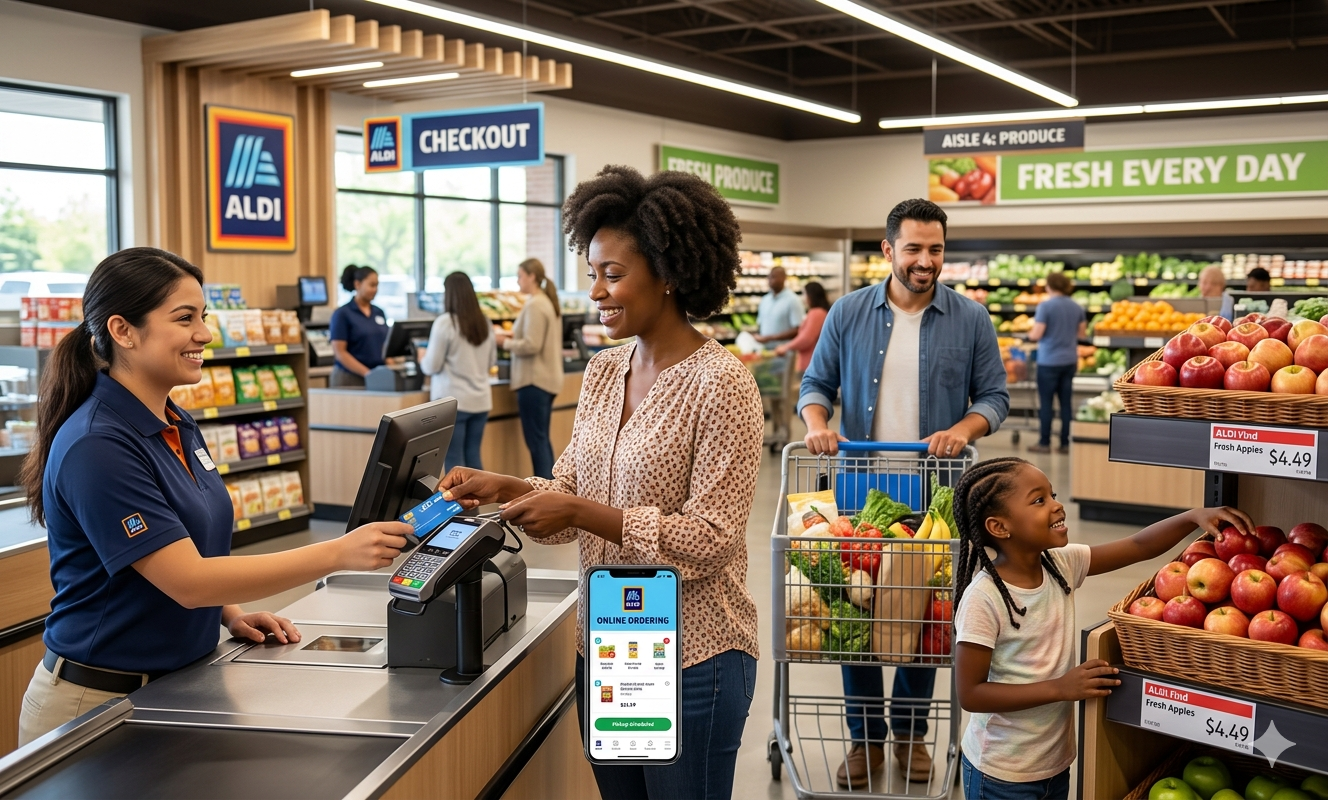
Once eligibility is established, benefits are issued via the Electronic Benefits Transfer (EBT) system. Each approved household receives an EBT card that functions like a debit card to purchase eligible food items at various retailers. Recipients can use their EBT card at participating grocery stores, supermarkets, and even some farmers’ markets. The EBT card also allows a secure, cashless way for beneficiaries to access their SNAP benefits while ensuring that funds are efficiently monitored and distributed.
The SNAP program aims to alleviate food insecurity in Louisiana by supporting low-income households with vital resources for purchasing nutritious food, ultimately benefitting the community as a whole.
Benefits of SNAP for Louisiana Residents
The Supplemental Nutrition Assistance Program (SNAP) serves as a critical resource for households across Louisiana, providing essential benefits that greatly assist participants in meeting their nutritional needs. One of the primary advantages of SNAP is the financial support it offers to low-income families. By providing benefits that can be used to purchase food, SNAP alleviates some of the burden of food insecurity, enabling families to allocate their limited resources towards other essential expenses, such as housing and healthcare.
Moreover, the impact of SNAP extends beyond individual households. As beneficiaries shop at local grocery stores and markets, the financial influx from SNAP benefits stimulates local economies. According to the USDA, every dollar of SNAP benefits generates approximately $1.70 in local economic activity. This is particularly crucial for rural communities in Louisiana where grocery stores are often limited, and economic growth relies heavily on local spending.
Research has also shown that participation in SNAP can lead to improved health outcomes. Beneficiaries have greater access to nutritious food, which contributes to healthier diets and reduces the prevalence of diet-related diseases. Furthermore, studies indicate that households utilizing SNAP report better overall nutrition and dietary quality compared to those who do not participate in the program.
Testimonials from SNAP participants reinforce the importance of this program in enhancing the quality of life for Louisiana residents. Many beneficiaries express gratitude for having the resources to provide more substantial meals for their families. Stories of families being able to purchase fresh fruits and vegetables highlight the positive changes that SNAP facilitates in their daily lives.
Resources and Support for SNAP Participants
In Louisiana, SNAP participants may encounter various challenges, from navigating the application process to utilizing benefits effectively. Thankfully, a wealth of resources and support systems exist to assist individuals and families enrolled in the Supplemental Nutrition Assistance Program.
Local food banks play a critical role in providing immediate food assistance. Organizations such as the Second Harvest Food Bank and the Greater Baton Rouge Food Bank distribute food to those in need, ensuring that SNAP participants have access to nutritious meals. Many food banks also offer additional services, including cooking classes and nutrition education, which aim to empower individuals to make healthier dietary choices.
Beyond food banks, several outreach programs are available to support SNAP beneficiaries. Organizations like the Louisiana Housing Authority and community action agencies provide vital information on SNAP eligibility, applications, and benefit utilization. They assist individuals in understanding their rights and responsibilities as SNAP recipients and offer personalized help to ease any complexities in the process.
Moreover, educational programs focused on nutrition and budgeting are offered through cooperative extensions and local community centers. These resources aim to improve participants’ overall wellness by teaching practical skills such as meal planning, smart shopping, and budgeting, which can maximize the benefits received from the SNAP program. Accessibility to these programs is essential, as they promote not only food security but also financial literacy.
If SNAP participants encounter specific obstacles, there are helplines and online resources available for assistance. The Louisiana Department of Children and Family Services (DCFS) provides a customer service hotline that can aid users in resolving issues related to their SNAP benefits, ensuring that all individuals receive the help they require to navigate the system effectively.